
Sydney winters are short yet sharply cold. When temperatures dip, thousands of households reach for the wall furnace or ducted gas system that has been silent since last August. If that heater lights first try and stays lit, great. If it splutters, gives off a faint odour or sounds louder than last year, the warning signs are already there.
Small Irregularities You Shouldn’t Brush Off
A home gas heater rarely fails without whispering a hint first. A clicking ignition that takes longer than usual, spots of soot on the grille, or stale air that makes the lounge feel stuffy after an hour all suggest incomplete combustion. Because these shifts happen gradually, many owners chalk them up to normal ageing. The risk in waiting is two-fold: efficiency falls so bills creep up, and invisible carbon monoxide can leak long before a hard failure forces a repair.
Why a Skilled Eye Catches What DIY Can’t
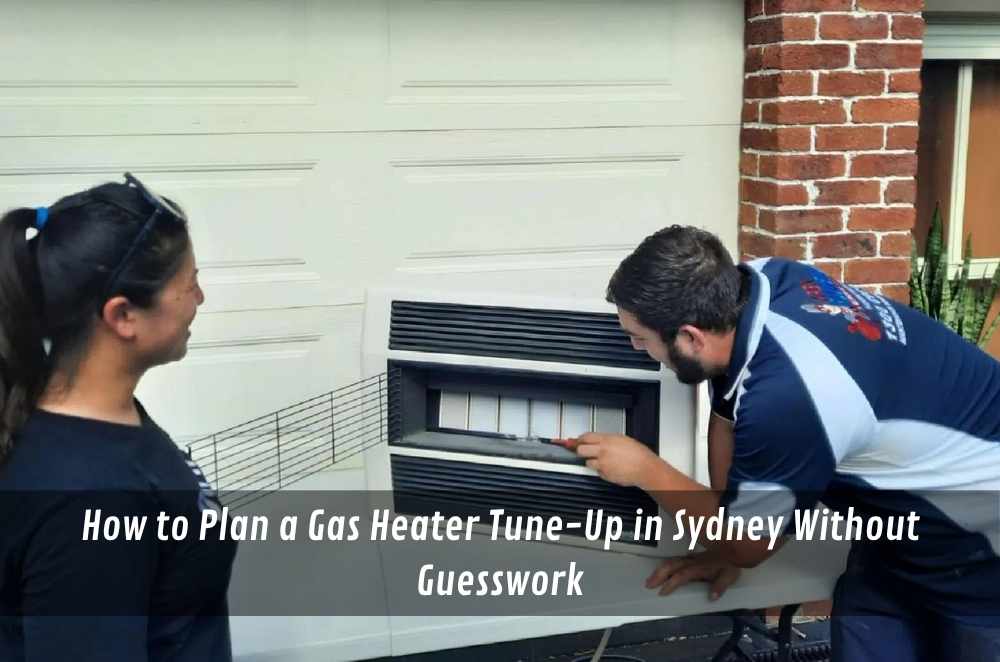
Modern heaters pack safety switches, sensors and sealed chambers that need proper test equipment. A handheld CO analyser, for instance, measures parts per million your nose cannot detect. Checking burner pressure requires a manometer. Neither tool sits in the average household toolbox, which is why scheduling a visit from a professional gas heater servicing team remains the safest play. They calibrate flame shape, inspect heat-exchanger welds and clear lint from the fan motor in one appointment, locking in peak efficiency before the first cold front arrives.
A trained technician also keeps documentation. If your property manager or insurance provider wants proof the appliance was maintained, dated service sheets show the work was done by a licensed person. That record becomes priceless if a fault later damages carpets or causes smoke staining.
Comparing Quick DIY Checks with Full Servicing
DIY Owner Can Do Safely
Vacuum the exterior grille.
Replace an accessible return-air filter.
Technician Only
Measure burner pressure.
Test for carbon monoxide.
Inspect the heat exchanger for cracks.
Issue a service compliance report.
A Sunday clean-up keeps dust at bay, but only professional instruments confirm combustion health.
Minor Faults That Snowball Into Major Repairs
An uneven flame today might translate to a cracked burner plate next month. Likewise, a fan bearing that starts to hum on low speed won’t magically quieten with use; it usually seizes when you need heat most. If dry winter air makes timber floors creak, extra vibration from that rough fan will only aggravate the noise. Homeowners who recognise how small issues evolve can act before outage or damage occurs. For a deeper look at early indicators, have a read of the concise guide on early clues your gas heater needs attention and compare your own system’s behaviour.
Once cracks, seized bearings or warped ignition leads set in, parts can be scarce for models older than fifteen years. Replacing an obsolete control board often costs as much as a new small heater. Timely attention keeps that decision in your hands rather than forcing an emergency outlay.
Fresh Ventilation Rules Every Owner Should Know
Heater safety is not only a mechanical matter; ventilation requirements have tightened. Updates published by NSW Fair Trading highlight minimum air-flow allowances and mandatory clearances that didn’t exist when earlier units were installed. For example, open-flue models must now sit a prescribed distance from windows that could draw fumes back indoors, and negative pressure tests are recommended after installing powerful kitchen range-hoods. A licensed technician factors these rules into every service, adjusting flue diverters or recommending simple grille additions so your existing appliance stays compliant.
Poor ventilation is the common thread in most CO incidents investigated across the state. Addressing it during routine maintenance means you’re not chasing a building inspector for sign-off later, especially if renovating or selling in 2026’s competitive property market.
Planning Ahead Beats Mid-Season Panic
The peak rush starts once the Bureau of Meteorology forecasts the first run of sub-ten degree nights. Booking in late April or early May avoids wait lists and gives you a comfortable buffer if unexpected parts need ordering. Better still, a freshly serviced heater often delivers warmer air at a lower thermostat setting because combustion is cleaner and fan speed returns to spec. That can shave noticeable dollars off the winter gas bill without sacrificing comfort.
Apex technicians report that clients who stick to an annual winter-prep cycle rarely face last-minute breakdowns. Peace of mind may be intangible, but waking to a warm home when an early June cold snap hits is a very real benefit.
Final Word
Gas heaters reward consistent care. The hour you set aside this autumn for a qualified check by ducted gas heating maintenance experts can mean the difference between a reliable companion through Sydney’s crisp nights and an unplanned scramble for portable heaters. Act before cold weather settles, keep records in order, and enjoy the season knowing silent hazards have been shown the door.



Write a comment ...